
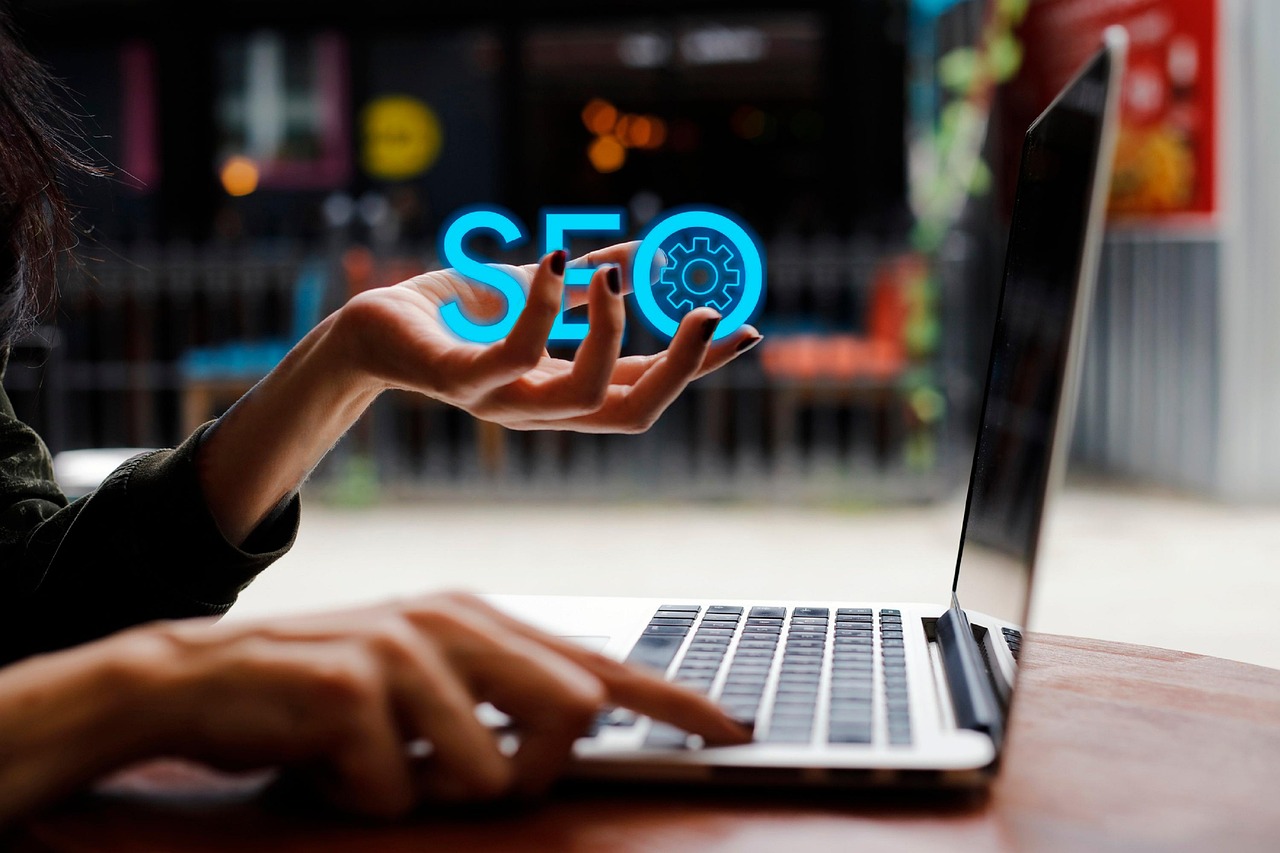
SEO entered our lives a long time ago. Digital marketing experts and Google Analytics specialists have been creating and analyzing endless lists of keywords that appear first when someone searches online.
But does SEO actually restrict the way a brand communicates? If an algorithm decides how we express ourselves, are we slowly losing authenticity?
Well-established brands like Nike and Nestlé have built their identities around timeless slogans like “Just do it” and “Have a break, have a Kit Kat.” Their messaging is powerful because it’s human — not optimized for a search engine. So, does SEO influence the branding identity of upcoming brands?
We can all agree — it shouldn’t.
The Battle Between Creativity and Algorithms
SEO was created to make information easier to find. But somewhere along the way, marketers started shaping their stories for search engines instead of people. Instead of asking, “What does my audience want to feel or remember?” the question became, “What keyword ranks higher this month?”
When we start writing to please algorithms, we risk stripping away the emotion, humor, and spontaneity that make a brand memorable. The message becomes formulaic — and audiences can sense that.
Authenticity Still Wins
People today aren’t just looking for information — they’re searching for solutions and for brands that stay true to their promise. The brands that stand out are the ones that actually solve their specific problems and offer experiences that feel personal and real.
People don’t use search engines just for the sake of searching. They’re looking for meaning — for something that speaks to them beyond the keywords.
Even Google itself values authenticity now — its algorithms increasingly reward original, helpful content. That’s proof that true connection and creativity can’t be faked or forced into a keyword list.
The Balance We Need
Of course, SEO isn’t the villain. It’s a tool — one that can amplify a brand’s message when used with intention. The key is balance: use SEO to guide your audience to your message, not to define it.
Let your story come first, and let the strategy follow. That’s where marketing finds its real power — not in the rankings, but in the resonance.
At the end of the day, SEO shouldn’t silence creativity — it should support it. The purpose of marketing has always been to connect, inspire, and stay memorable. Search engines can help people find you, but it’s your voice, your story, and your authenticity that make them remember you.
So, let the data guide you, but not define you. Use SEO to open the door, then let your real message walk through it. Because when brands speak like humans — not algorithms — that’s when marketing truly works.